


A Bite Through Time: The Long History of Fast Food in the United States
Fast food is one of the most recognizable features of American culture — an industry that serves millions daily, shapes the nation’s economy, and influences diets across the world. But the history behind this everyday convenience is far richer and more complex than a quick meal might suggest. From humble lunch carts to billion-dollar global brands, the evolution of fast food mirrors America’s own technological, social, and cultural transformation.
This read takes you on a journey through that history: where fast food started, what propelled its explosive growth, and how it continues to reinvent itself in the modern era.

The Origins: Before Fast Food Was Fast (Late 1800s – Early 1900s)
Long before the classic burger-and-fries combo became a staple, America was undergoing industrialisation. City populations were exploding, and workers needed convenient, affordable meals near factories, railroads, and shipyards. This environment gave rise to lunch wagons — wooden carts selling coffee, sandwiches, pastries, and hot meals late into the night.
These wagons were the earliest version of “food on the go,” and they soon evolved into dining cars and eventually early diners. Diners were efficient, consistent, and inexpensive — values that would later define the fast-food model.
Meanwhile, innovations in food preservation and refrigeration allowed food to be transported farther and stored longer. America had its first taste of standardised, rapid-service dining.
Drive-In Culture and the Birth of Fast Food (1920s–1940s)
In the 1920s and 1930s, America’s love affair with the automobile began. Paved roads and affordable cars gave Americans newfound mobility. Entrepreneurs quickly saw an opportunity: what if people could eat without even leaving their cars?
Thus emerged the drive-in restaurant, complete with neon signs, lively carhops, and instantly recognizable branding. Chains like White Castle, founded in 1921, brought something revolutionary to American dining: standardized production.
White Castle introduced:
A consistent menu
Identical buildings for brand recognition
Mass-produced hamburger patties
A focus on speed and cleanliness
The idea that a customer could get the same burger and the same experience at any location became a cornerstone of all future fast-food chains.
The McDonald Revolution (1940s–1950s)
Everything changed in 1948.
Richard and Maurice McDonald redesigned their San Bernardino restaurant around what they called the Speedee Service System, an industrial-style method that streamlined every part of food preparation:
A drastically simplified menu
Pre-measured ingredients
An assembly-line kitchen layout
Standardized cooking processes
This system cut wait times dramatically and allowed them to serve more customers at lower cost.
When ambitious salesman Ray Kroc discovered their restaurant in 1954, he saw not just a successful business — but a replicable formula that could sweep the nation. His partnership with the McDonald brothers transformed a single California drive-in into McDonald’s, a brand that became synonymous with American fast food.
The 1950s also saw the rise of other major chains, including Burger King and Dairy Queen, each adapting the assembly-line approach and creating their own versions of fast, affordable dining.
Fast food was no longer a novelty. It was an American institution in the making.




Convenience Becomes Culture (1960s–1980s)
By the 1960s, fast food had woven itself into American life. Families ate at fast-food restaurants during road trips. Teens hung out at drive-ins. Advertisements introduced memorable mascots and jingles.
Several major developments shaped this era:
1. The Growth of Franchising
Franchising allowed chains to spread rapidly, creating coast-to-coast consistency. Entrepreneurs saw fast food as a profitable, low-barrier business model.
2. TV Advertising
Characters like Ronald McDonald, the Burger King, and the Colonel became cultural icons. Kids’ meals and toys turned fast food into a family experience.
3. Expansion of the Menu
Chains diversified beyond burgers:
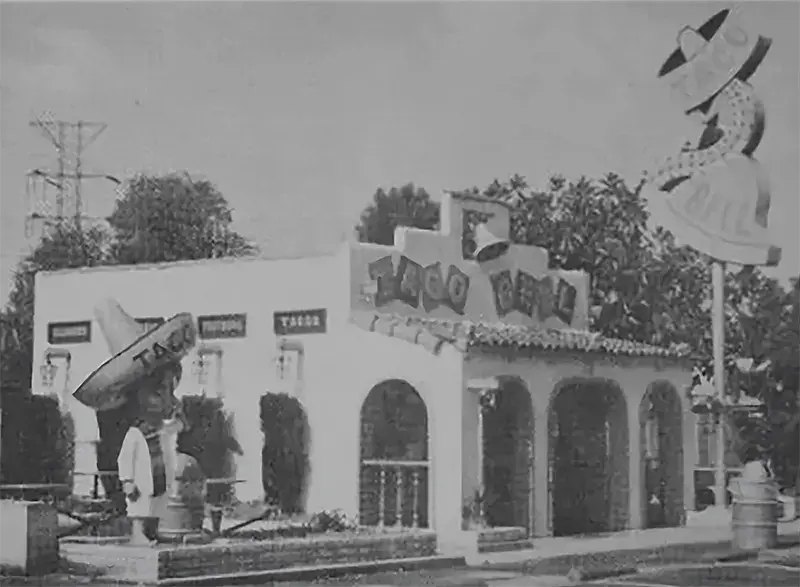
Taco Bell popularized Tex-Mex
KFC brought Southern fried chicken nationwide
Pizza Hut and Domino’s made pizza a fast-food staple
4. Global Expansion
By the 1970s and 1980s, American fast-food chains had spread to Europe, Asia, Latin America, and beyond. American culture — or at least its food — was going global.
Fast food wasn’t just convenient. It was cool, familiar, and everywhere.
Health Debates, Competition, and Reinvention (1990s–2010s)
As fast food grew, so did public scrutiny.
Documentaries, studies, and government reports began drawing attention to portion sizes, obesity rates, and nutritional concerns. Consumers wanted transparency. The industry needed to adapt.
Major changes included:
Health-Focused Menu Items
Chains introduced:
Salads
Grilled options
Low-calorie meals
Kids’ meals with fruit or milk
Some brands reworked their ingredients to remove trans fats and reduce sodium.
Fast Casual Emerges
Restaurants like Chipotle, Panera, and Five Guys introduced a new category: fast casual, offering fresher ingredients, customizable meals, and a more upscale atmosphere — but still fast service. This forced traditional fast-food chains to rethink their strategies.
Technology Enters the Scene
Digital advancements changed how customers interacted with the industry:
Online ordering
Drive-thru timers
Loyalty apps
Self-service kiosks
Convenience took on a whole new meaning.
A Symbol of American Life — Past, Present, and Future
Fast food’s journey mirrors the development of the United States itself. What started as small lunch carts serving hurried workers has evolved into a multibillion-dollar global industry.
It reflects:
America’s entrepreneurial spirit
Its love of innovation
Its shifting cultural values
Its fascination with speed and convenience
Fast food continues to change, adapt, and reinvent itself with every generation. And as long as people crave quick, affordable, and familiar meals, it will remain a defining part of American culture.



Comments