


Dating in the 1950s: Courtship, Culture, and Social Rules

Dating in the 1950s looked quite different from modern dating. It was shaped by strong social expectations, traditional gender roles, and community influence. For many teenagers and young adults, dating was not only about romance—it was also seen as preparation for marriage.
One common style of dating during this time was called “going steady.” When a couple decided to go steady, it meant they were exclusively dating each other. Teenage girls often received a class ring or letter jacket from their boyfriend as a symbol of commitment. This was considered a serious step in a relationship, even among high school students.
Most dates followed a fairly predictable structure. A boy typically picked up the girl from her parents’ house, often meeting her family briefly before leaving. Respect and manners were extremely important, and parents expected boys to behave politely and bring their daughters home on time.
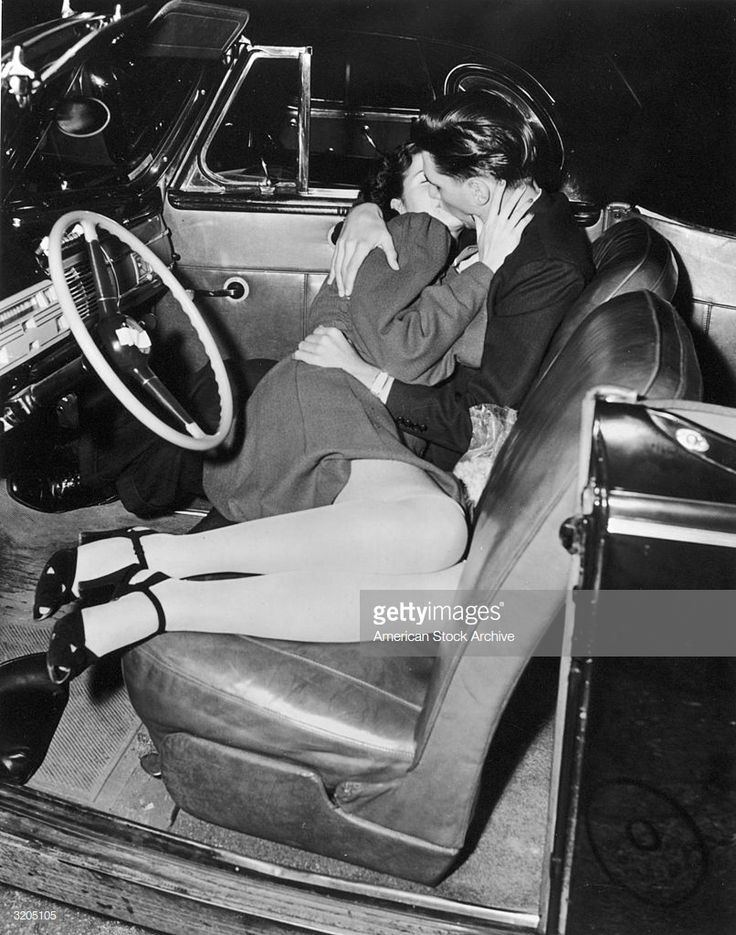
Popular date activities reflected the culture of the era. Couples often went to drive-in movies, soda fountains, school dances, or simply drove around town in a car while listening to music. Diners and ice-cream shops were especially common meeting places for teenagers. These casual settings made it easier for couples to socialize while still staying within socially acceptable boundaries.
Gender roles were clearly defined. Boys were usually expected to plan and pay for the date, while girls were expected to dress nicely and behave modestly. Public displays of affection were generally limited compared to modern standards, and relationships often progressed more slowly.
Another major difference was the strong influence of family and community. Parents, neighbors, and schools often had opinions about who someone dated. Because of this, relationships tended to be more visible and supervised than today’s more private dating culture.
Overall, dating in the 1950s was structured, community-influenced, and centered on traditional values. While it may seem formal compared to modern dating apps and texting, many people remember it as a time when relationships developed through face-to-face interaction, shared activities, and clear social expectations.




Comments