


The Photographer Who Framed Italian Elegance: Elio Luxardo
Known as the photographer of the stars, Elio Luxardo (1908–1969) devoted his career to creating perfect images: nothing but bodies and faces, whether famous or unknown. These portraits have the distinction of never being repetitive, as they spring from whimsical intuitions rather than a predefined aesthetic concept.

In the golden age of cinema and fashion photography, Elio Luxardo stood out as one of Italy’s most refined portrait photographers. Known for his elegant lighting and timeless compositions, Luxardo helped define the visual identity of Italian glamour during the mid-20th century.
Born in 1908 in Zara (today Zadar, Croatia), Luxardo initially studied law before discovering his true passion behind the camera. In the early 1930s, he opened his first photography studio and quickly developed a reputation for portraits that combined technical precision with artistic sensitivity. His style was strongly influenced by the glamorous aesthetics of Hollywood photography, yet it retained a distinctive Italian elegance.
Luxardo’s career flourished during the rise of Italian cinema. Working in Rome near the legendary film studios of Cinecittà Studios, he photographed many of the era’s most famous actors and actresses. His portraits were admired for their dramatic lighting, smooth tonal contrasts, and the way they captured both beauty and personality. Rather than simply documenting a face, Luxardo aimed to reveal the character of his subjects.
During World War II, his career was interrupted by military service and difficult
circumstances. After the war, however, he rebuilt his studio in Rome and continued to photograph celebrities, artists, and public figures. His work appeared in magazines, film promotions, and artistic exhibitions, contributing to the growing international image of Italian style and culture.
One of Luxardo’s lasting contributions was his mastery of classic studio portraiture. Using carefully controlled light and shadow, he created images that felt cinematic long before modern digital photography existed. His portraits often featured soft highlights, elegant poses, and a timeless sense of sophistication.


No set pattern, no chronological order—just pairings based on harmony, treating the photographs as musical notes: this is how the female portraits taken by the great master of black-and-white photography in the 1930s and 1940s were selected.


In his studios in Rome and Milan, Elio Luxardo, as a film enthusiast, has perfected a unique approach to lighting. Owning a portrait of Luxardo in the postwar period was highly coveted.


In front of his lens appeared not only prominent figures—politicians, nobles, writers—but also men and women whom the photographer posed to highlight a glance, an expression, or a posture so carefully crafted that they become the focal point.
In addition to major advertising campaigns and innovative fashion services, it is his personal work that truly highlights his talent, thanks to its understated yet evocative beauty in depictions of the human form and nudes.


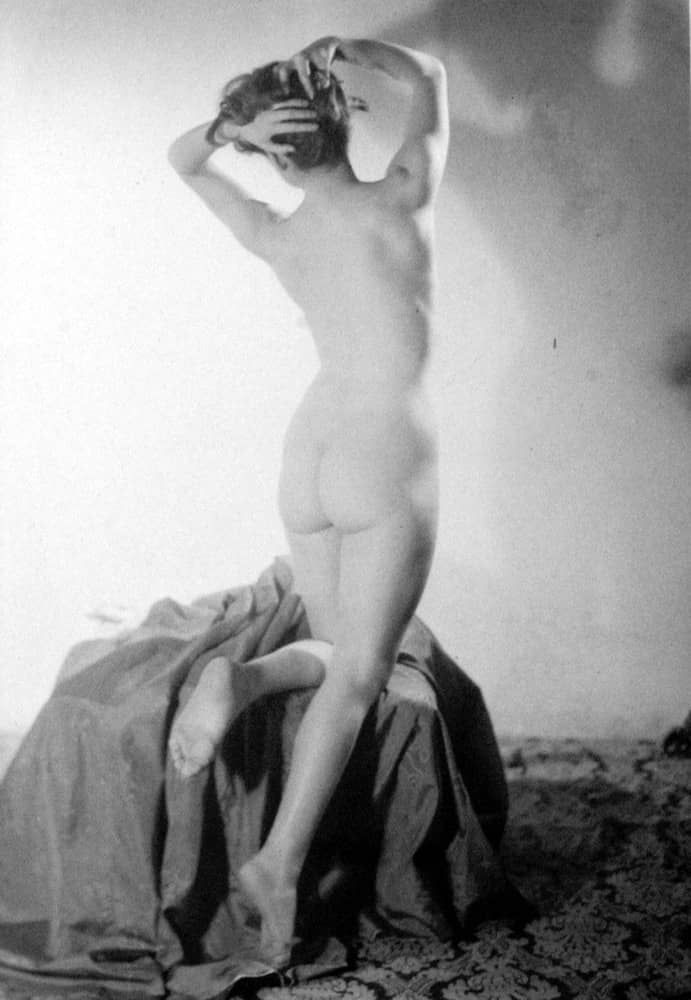


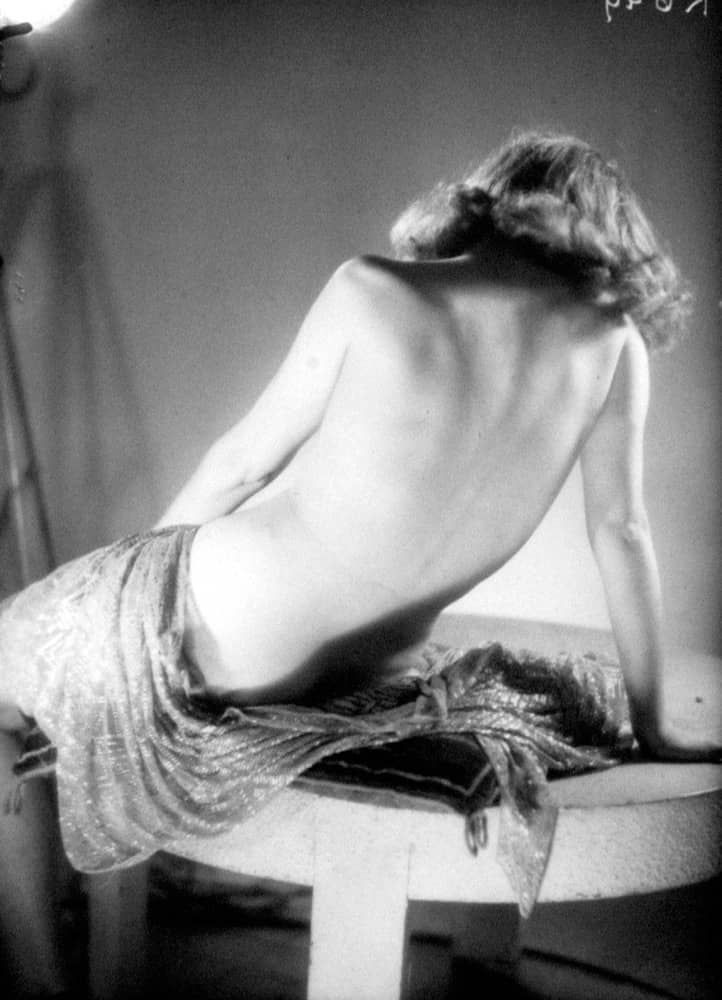

Today, Elio Luxardo is remembered as one of Italy’s great portrait photographers. His photographs preserve the faces of an entire era of cinema and culture, reminding us how powerful a single image can be when it is crafted with patience, artistry, and a deep understanding of light.


Comments