


Victor Stiebel: The Quiet Genius of British Couture

Victor Stiebel (1907–1976) may not be as widely known today as Dior or Balenciaga, but in mid-20th-century Britain, he was a designer quietly adored by high society, socialites, and even royalty. Born in Cape Town, South Africa, Stiebel moved to London with a passion for art and design, and quickly found his place among the city’s most talented couturiers. He was celebrated not for flamboyance, but for refinement—creating clothes that were perfectly tailored, elegant, and effortlessly wearable.
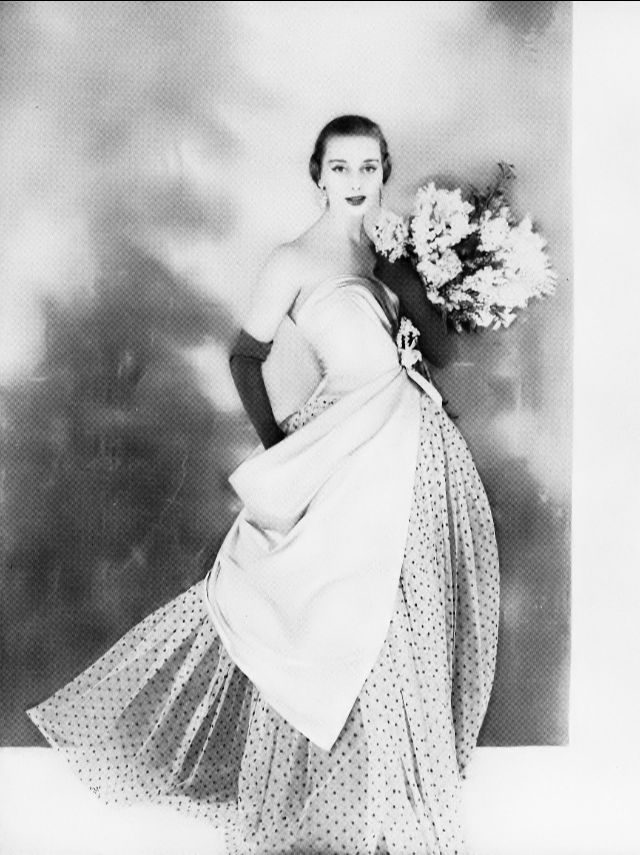
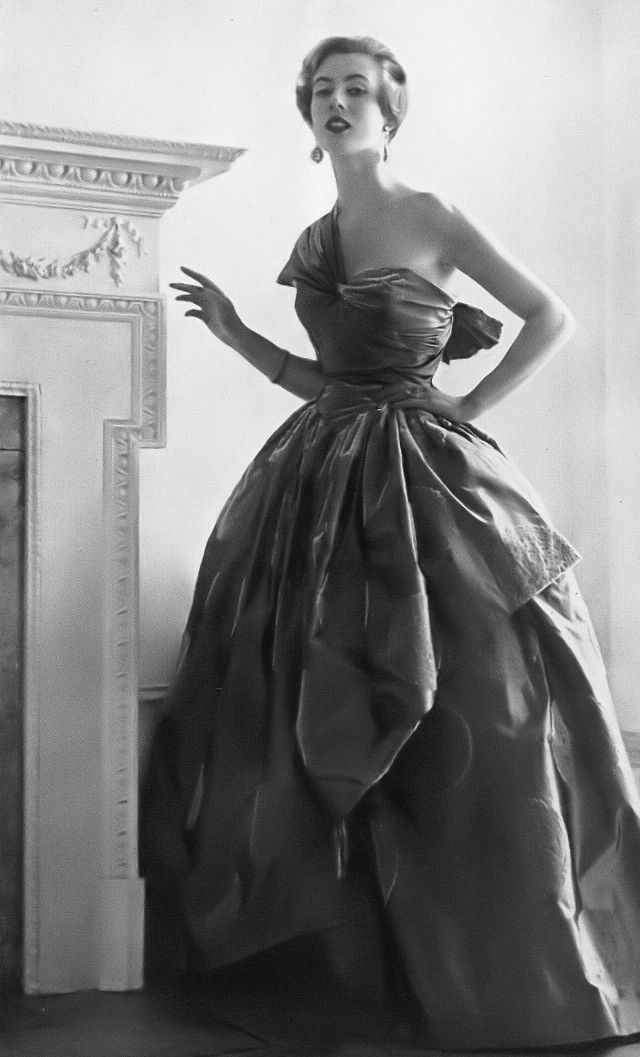
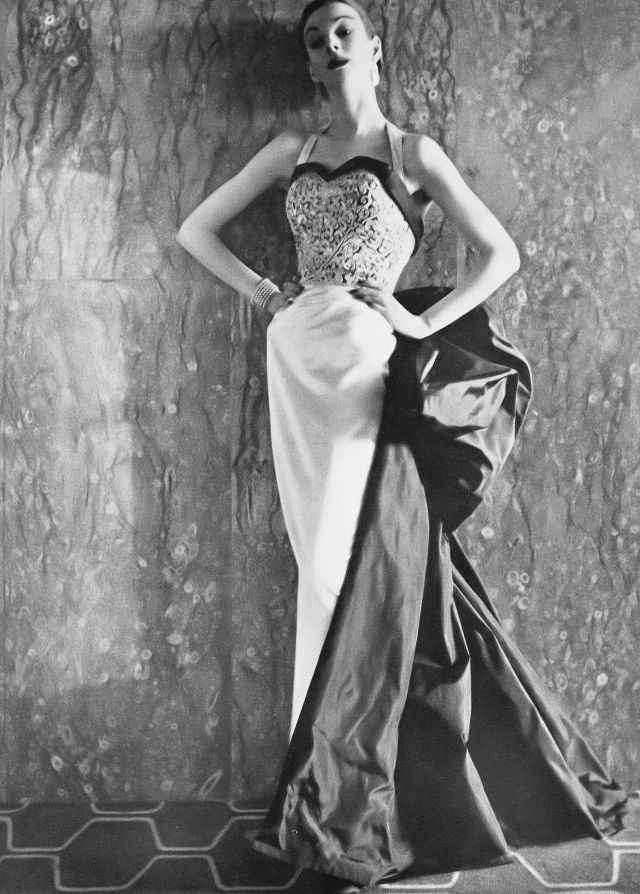
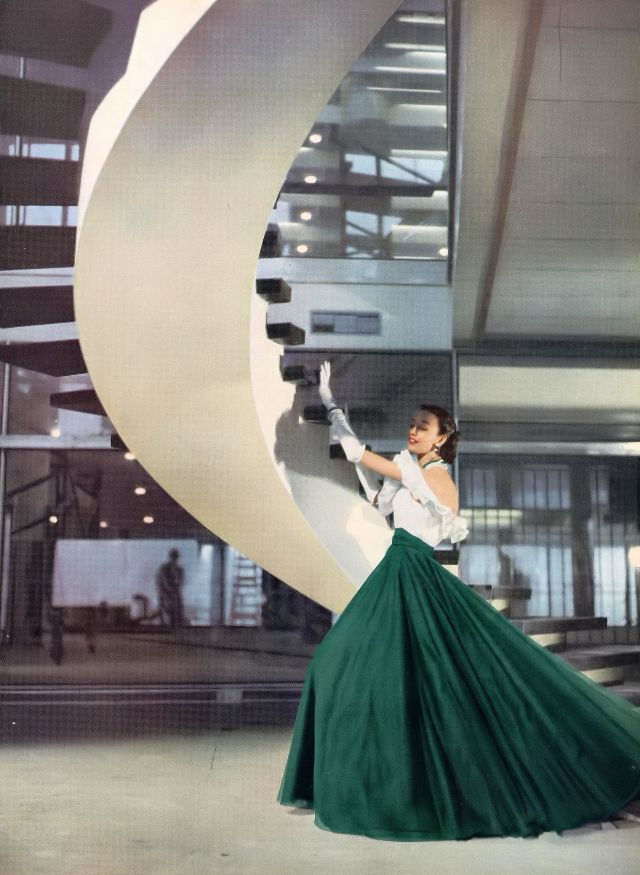
Stiebel launched his own label in the 1930s, and his designs immediately stood out for their precision and flattering silhouettes. At a time when fashion often favoured dramatic flourishes, Stiebel’s work emphasized clean lines, impeccable proportions, and meticulous craftsmanship. Women of the era loved him for the confidence his clothes inspired; each gown, coat, or tailored suit was designed to enhance posture, poise, and presence without ever feeling ostentatious.
During World War II, Stiebel’s talent was tested by fabric rationing and social upheaval. Yet he adapted, creating practical yet stylish clothing for women who needed to look polished despite the restrictions of wartime. This balance of beauty and functionality became a hallmark of his style. He didn’t chase trends—he refined them, ensuring every piece had lasting appeal. It was this combination of elegance and practicality that drew a devoted clientele, including prominent socialites and members of the British aristocracy.
Stiebel’s reputation reached its pinnacle when he became one of Queen Elizabeth II’s early couturiers. His royal commissions reflected his signature style: restrained yet striking, structured yet feminine. These pieces reinforced his belief that luxury wasn’t about excess, but about the quiet power of tailoring and fit. Beyond the palace, his influence helped shape post-war British fashion, defining a modern yet timeless elegance that distinguished London couture from its Parisian counterparts.









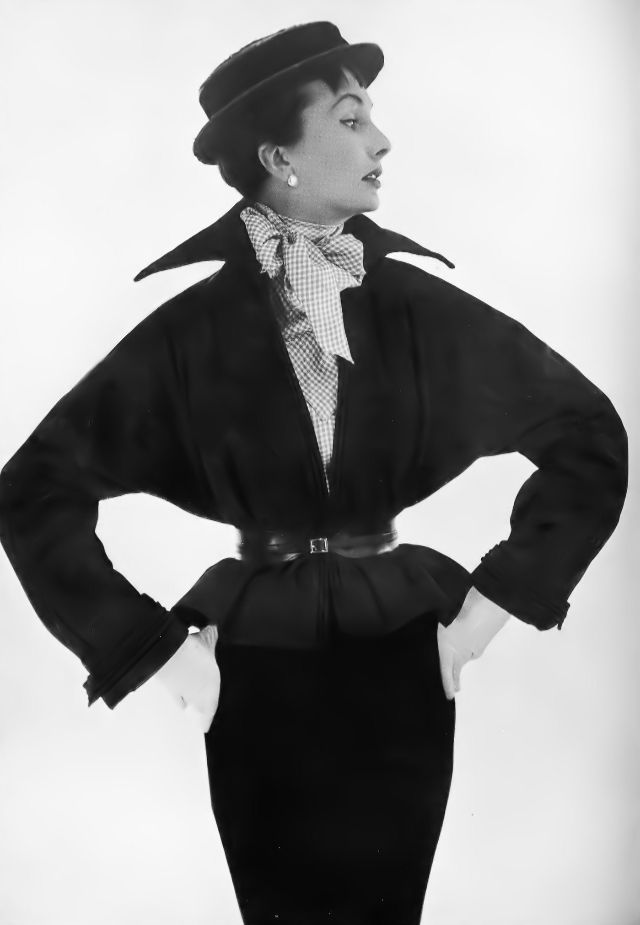


Despite his success, Stiebel remained understated and private. Unlike some of his contemporaries, he did not seek publicity or celebrity status. He let his designs do the talking, building a legacy rooted in skill, taste, and refinement. Today, his garments are celebrated by fashion historians and collectors for their craftsmanship and enduring style, a testament to the designer’s belief that true elegance is timeless.
Victor Stiebel may not have shouted his name from the rooftops, but his work continues to whisper sophistication. For anyone seeking fashion that combines flawless tailoring with subtle glamour, Stiebel remains a masterclass in understated luxury—proof that sometimes, the quietest voices leave the most lasting impression.


Comments